Find what you're looking for...

Planning Resources

Guides and Tools for Better Municipal Plan

Discover handbooks, manuals, templates, check-sheets and other tools with information on local land use planning and bylaw adoption, development regulation and review, and the state rules (24 V.S.A. Chapter 117) that govern these activities.

Municipal Planning and Zoning — From Vision to Action for Stronger Vermont Communities

Planning can address just about any issue of local concern. The planning commission is the primary body responsible for planning for the community, usually concentrating on writing the municipal plan. Community planning can be divided into two steps:

01

Planning

Where the visions and goals of the community are discussed and established and a means of achieving the goals are determined.

02

Implementation

Where the goals from the planning stage are brought to reality through community projects, programs, or local regulations.

Planning Resources Image
Icon Location

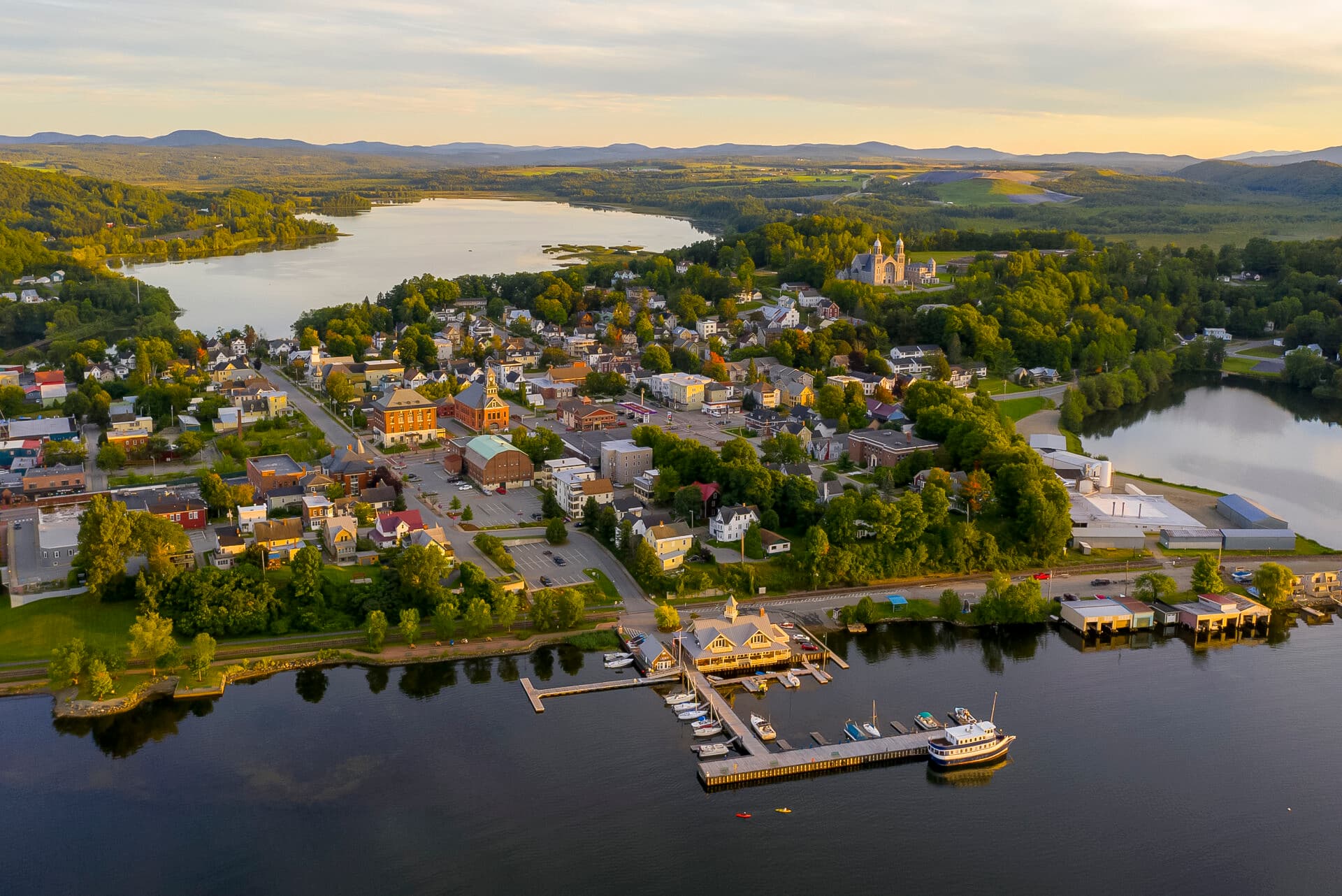
Newport, VT

FAQ

Planning and Zoning Questions, Answered!

    In its most basic form, planning is the art of understanding how things are in our communities today, how we’d like things to be tomorrow, and then figuring out how to get there. It involves recognizing the gifts that we share here in Vermont and celebrating the ability we have in our communities to create our own destinies. It is the planner’s – or planning commission’s – responsibility to gather and guide public perceptions and translate them into visions for the community’s future. Specifically, they determine how to manage growth and seek solutions to encourage appropriate development while protecting the environment.

    Planning allows community members to come together to make decisions about the town or city’s priorities for the future. It creates an environment where residents become part of a larger whole and have the right and responsibility to decide how the entire community should develop itself. A single project can have a big impact – for the better, or for the worse – on an entire town.
    Planning lays out the community’s priorities, helps to guide development (in the form of housing, commercial, recreation, transportation, etc.), and helps town officials and potential developers to know exactly where everyone stands on a particular type of project and how to best implement it.

    The short answer: everybody. The Plan should not only a document for the planning commission and the town offices. The ultimate goal is to create a plan that speaks for the entire community. The more people who feel that the plan represents them, the more effective a document it will be.
    A good first step is to identify key organizations within your community and contact a representative. Groups could include a lake association, a historical society, a snowmobiler’s association, etc.

    Regional Planning Commissions (RPCs) in Vermont are set up to work towards two primary goals: assisting individual communities with their planning efforts and leading a comprehensive approach to development issues on a regional scale.
    Regional Planning Commissions often create agreements with individual communities to assist in the creation or update of town plans, or development regulations such as zoning, or special projects. In many cases, especially in communities without professional planning staff, they also provide technical assistance to dedicated volunteer planning commissions as they strive to plan for the future.
    At the regional level, boards of commissioners – representing all member communities – guide decisions affecting multiple communities. Subjects of regional interest include transportation, water quality, housing, economic development, and emergency management, among others.

    Town and regional plans are meant to be guides to the future. They are the result of public discussion and deliberation about how a community should develop itself.
    In Vermont, town plans are required, by statute, to include eleven sections. Town Plans should include a current description of the community, an analysis of what facilities and services will be needed in the future, and statement of what the community wants for its future. Perhaps most importantly, a plan should include a set of priorities for what can or should be done to achieve the future the community seeks.

    No. Regulations are a popular, and often effective, way of implementing a plan, but they are by no means the only way. Non-regulatory tools, as they are often called, may include setting town priorities for spending funds on improvements, seeking grants to assist in economic development or the design or creation of facilities (be they infrastructure or bike paths), raising awareness of important issues and assistance to residents (for example, affordable housing), promoting desired types of development, setting up annual community events, or preparing local information brochures.
    Of course, a plan can also lay the foundation for adopting regulations, including subdivision regulations, flood hazard regulations, wireless telecommunications facilities ordinances, or zoning, among others.

    Essentially, the Plan is a guide, while zoning or subdivision regulations present requirements that those wishing to build or add to a development must follow. The Plan is the town’s broad vision for the future and is focused on identifying major problems or opportunities and laying out the foundations for dealing with them. Regulations implement the plan by setting specific standards for development that others must follow.
    A town plan might suggest, in the future land use section of its Plan, that one part of the community is especially well suited to low density residential development. It would not specify lot sizes, setbacks, or permitted uses, though it may provide suggestions. A regulation would fill in the details, establishing the types of appropriate development and the form that it should take, be it through minimum lot sizes, types of permitted uses, or incentives for development that matches the town’s character.

    First, it should be mentioned that a given bylaw may very well contain elements of both zoning and subdivision regulation.
    That being said, subdivision regulations generally deal with how a larger piece of land is cut into smaller pieces and how any infrastructure, such as roads or stormwater management, are integrated into the new landscape. Subdivision regulations generally provide a set of locally determined standards for the creation of new lots, including design and access.

    Zoning regulations, by contrast, are applied to parcels that are to be used or built upon. They may include lists of what uses are appropriate for certain districts within the community, lot size minimums or maximums, setbacks requirements, provisions for changing uses, or incentives for innovative developments that promote goals outlined in the town plan.

    In regards of Land Use Regulations and the Development Review questions, please note – for the time being, please refer to the Chapter 117 FAQs that were created in response to the statutory revisions of 2004.

Grant Funding Resources

Grant funding resources help communities access financial support to plan, build, and grow. These programs provide opportunities for municipalities and organizations to strengthen projects, invest in infrastructure, and address community priorities. Explore available funding sources to find the right opportunities for your community’s needs.

Learn More
Icon Feature

Community Planning Toolbox

The Community Planning Toolbox introduces users to the issues, techniques and resources for planning for Vermont's downtowns and villages, as well as the natural resources that surround them. It features case studies and sample tools that demonstrate how other communities have addressed similar challenges to those facing your community.

Learn More